
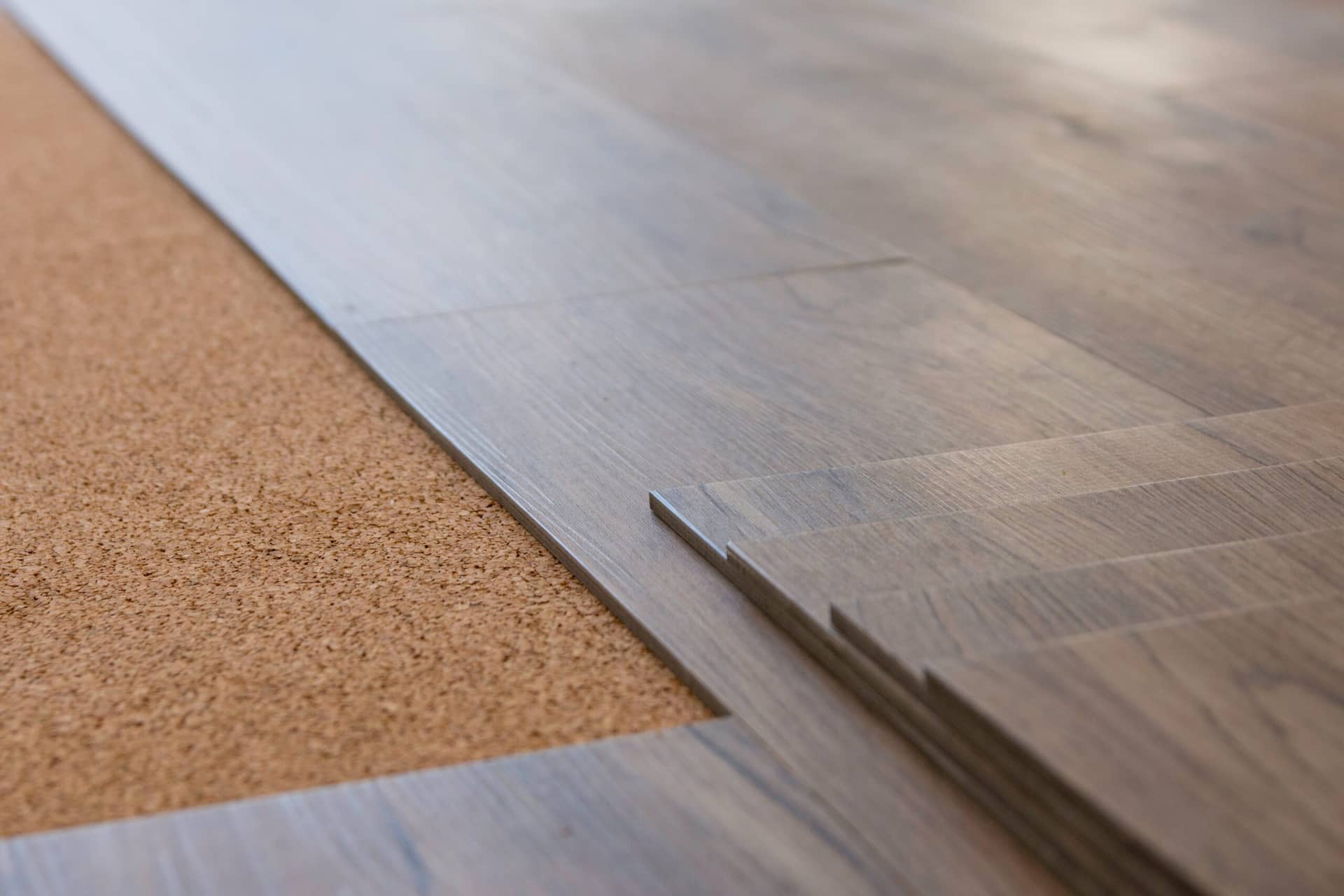
What is EVP Flooring?
EVP flooring (Engineered Vinyl Plank) is a rigid-core vinyl plank flooring that combines waterproof vinyl durability with the beautiful appearance of hardwood. The 'engineered' refers to its multi-layer construction: a rigid core (typically SPC or WPC), a printed design layer, a clear wear layer, and often an attached underlayment. EVP's rigid core provides superior stability, dent resistance, and sound absorption compared to traditional vinyl. It clicks together for installation and can be placed over most existing subfloors with minimal preparation. In Austin TX homes, EVP has become one of the most popular flooring choices for its combination of aesthetics, durability, and waterproof performance.
What is LVP Flooring?
LVP (Luxury Vinyl Plank) is a flexible vinyl flooring that mimics the appearance of hardwood. Unlike EVP's rigid core, LVP features a more flexible construction that conforms to minor subfloor imperfections. LVP has been on the market longer and is available in a wider variety of styles and price points. Both LVP and EVP are 100% waterproof, making them suitable for kitchens, bathrooms, and basements. LVP is generally more affordable than EVP and easier to cut during installation. For budget-conscious Austin homeowners who want a wood-look floor throughout their home, LVP provides excellent value.
EVP vs LVP: Key Differences
The primary difference between EVP and LVP is core construction. EVP uses a rigid core (SPC — Stone Plastic Composite, or WPC — Wood Plastic Composite) that provides superior dent resistance and dimensional stability. LVP uses a flexible core that's thinner and more pliable. EVP typically measures 5-8mm thick with a rigid core, while LVP ranges from 2-8mm but with a flexible construction. This construction difference affects sound absorption (EVP is quieter), comfort underfoot (EVP feels more substantial), and resistance to heavy furniture indentation. Note that SPC (Stone Plastic Composite) cores offer the best dent resistance, while WPC (Wood Plastic Composite) cores prioritize comfort but are slightly softer. EVP generally costs $1-$2 more per square foot than comparable LVP. For Austin homes with pets, children, and heavy furniture, EVP's rigid core provides better long-term performance.
Which is Best for Austin's Climate?
Both EVP and LVP perform well in Austin's hot, humid climate. Neither material expands or contracts significantly with temperature changes, unlike solid hardwood. For slab-on-grade Austin homes (the majority of local construction), both options install well over concrete with minimal preparation. EVP's rigid core provides a slight advantage in temperature stability during Austin's extreme summer heat. For homes with radiant heating or significant sun exposure through large windows, EVP's dimensional stability is the better choice. Both materials maintain their appearance and performance through Austin's humidity swings between seasons.