
Understanding Austin's Climate Challenges for Flooring
Austin's humid subtropical climate presents unique challenges for flooring materials. Summer temperatures regularly exceed 100 degrees F, humidity fluctuates dramatically between seasons, and most homes sit on concrete slab-on-grade foundations. These conditions affect how flooring materials expand, contract, and perform over time. The biggest concern is moisture. Austin's clay soil can transmit moisture through concrete slabs, and indoor humidity swings between air-conditioned summers and heating season create constant expansion and contraction cycles. Choosing the right material — and ensuring proper installation — is critical for long-term performance.
Top Performers: Materials That Thrive in Austin
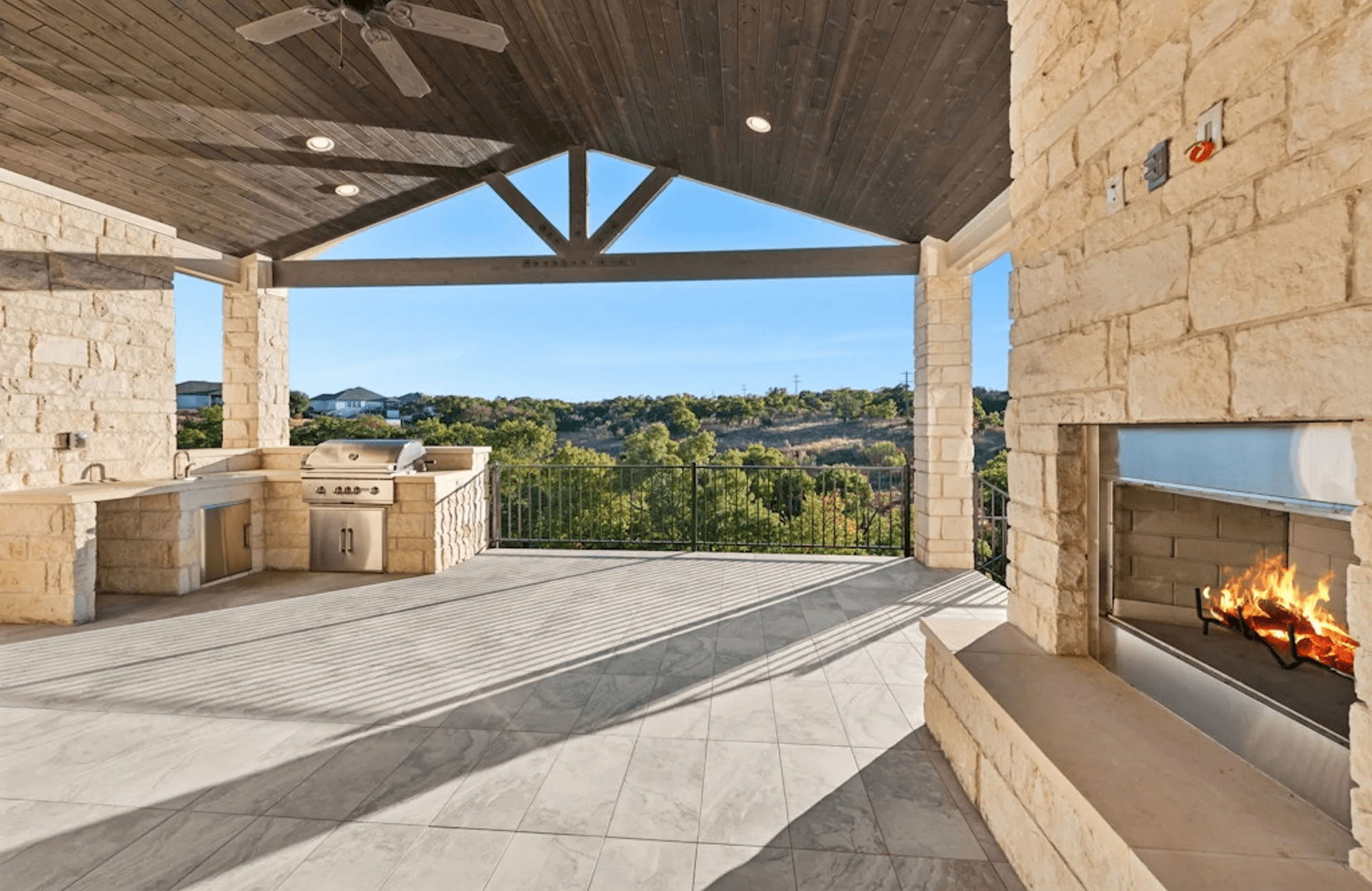
Engineered hardwood leads the pack for Austin homes wanting a wood look. Its cross-layer construction resists humidity-driven expansion far better than solid hardwood. EVP and LVP vinyl planks are virtually immune to moisture and temperature swings, making them worry-free choices for any Austin home. Porcelain and ceramic tile have performed flawlessly in Texas climates for generations — they're completely unaffected by heat and humidity. For outdoor spaces and covered patios (essential in Austin), porcelain tile rated for exterior use handles UV exposure and temperature extremes without issue.
Materials to Use with Caution
Solid hardwood can work in Austin but requires careful installation. Acclimation periods of 5+ days are essential, and humidity control (maintaining 35-55% indoor humidity) protects against cupping and gapping. Avoid solid hardwood on slab-on-grade foundations without a moisture barrier — the risk of moisture damage is too high. Carpet performs well in bedrooms but can hold humidity and develop musty odors if HVAC systems aren't properly maintained. Regular professional cleaning is especially important in Austin's climate. Bamboo performs similarly to hardwood — strand-woven varieties handle humidity better than traditional bamboo.
Slab-on-Grade Considerations for Austin Homes
Most Austin homes are built on concrete slab-on-grade foundations. This affects flooring selection because concrete transmits ground moisture. Before any flooring installation, a moisture vapor emission test should be performed. For wood-look flooring on concrete, engineered hardwood with a moisture barrier or EVP/LVP are the safest choices. Solid hardwood directly over concrete is generally not recommended in Austin. Tile installs beautifully on concrete with proper thin-set application. The concrete itself can also serve as a polished, stained finished floor — an increasingly popular option in modern Austin homes.